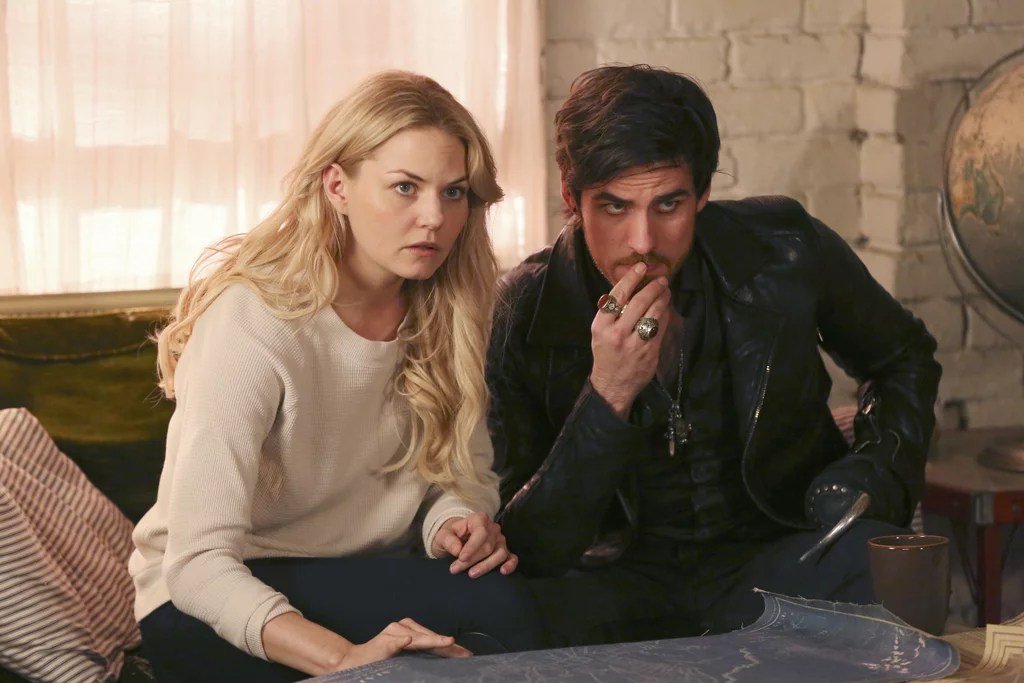
In the whimsical yet perilous world of Storybrooke, where fairy tales are anything but simple bedtime stories, "Once Upon a Time" captivated audiences for seven seasons. While the series experienced its share of narrative peaks and valleys, 'Once Upon a Time Season 6 Reviews & Critical Reception' reveal a truly remarkable high point, a season that critics and fans largely embraced as a powerful culmination for its central hero. This was the Emma Swan era's grand finale, a season rich with character evolution, formidable new threats, and the looming promise of a prophesied battle for destiny itself.
At a Glance: Why Season 6 Shone Brightly
- Critical Acclaim: Earned an impressive 89% on the Tomatometer from critics, showcasing its strong narrative and execution.
- Audience Engagement: Secured a solid 78% audience score, indicating widespread enjoyment among its dedicated fanbase.
- Emma Swan's Climax: Served as the impactful final season with Emma Swan as the primary protagonist, delivering a powerful arc.
- Complex Storytelling: Featured increasingly intricate plots, exploring the duality of good and evil through characters like the Evil Queen.
- Fresh Faces: Successfully introduced beloved new characters such as Aladdin, Lady Tremaine, and Tiger Lily, enriching the Storybrooke universe.
- High Stakes: Built towards a monumental "Finale Battle," promising a definitive resolution for the beloved characters.
The End of an Era: Season 6 as Emma Swan's Definitive Chapter
"Once Upon a Time" always grounded its fantastical premise in the very human journey of Emma Swan, the Savior who arrived in Storybrooke, Maine, to break a curse and reconnect with her identity. For six seasons, her growth, her struggles, and her relentless pursuit of a "happy ending" for everyone formed the show's emotional core. Season 6 wasn't just another installment; it was engineered as a powerful send-off for this foundational character, culminating in an outpouring of critical and audience appreciation.
The season achieved an outstanding 89% critic score on Rotten Tomatoes, signaling a near-unanimous positive reception from professional reviewers. This placed it among the highest-rated seasons of the entire series, a testament to its compelling storytelling and strong performances. Audiences, while slightly less enthusiastic than critics (with a still respectable 78%), largely agreed that Season 6 delivered a fitting and entertaining conclusion to Emma's central narrative.
This wasn't just a win for the season; it was a triumphant affirmation of the creative team's vision for Emma's journey. With the looming "Finale Battle" prophesied to be her last, every episode felt charged with consequence, leading viewers and critics alike to invest deeply in the unfolding drama.
Unpacking the Magic: What Made Season 6 So Critically Loved
What exactly propelled Season 6 to such critical heights, especially five years into a series known for its intricate, often sprawling mythology? It boils down to a masterful blend of character-driven storytelling, high-stakes conflict, and a renewed focus on the core themes that made "Once Upon a Time" so beloved in the first place.
The Duality of the Evil Queen: A Character Masterclass
One of the season's most compelling narrative threads involved the return of the Evil Queen, separated from Regina's personality. This wasn't merely a rehash of an old villain; it was a profound exploration of identity, self-acceptance, and the indelible mark of past mistakes. Critics lauded this storyline for its complexity and emotional depth. Lana Parrilla's performance, as both the conflicted Regina and the deliciously wicked Evil Queen, was consistently highlighted as a standout. This arc offered a fresh perspective on a classic character, reminding us that even within the most heroic, shadows of our past can linger, sometimes taking on a life of their own.
New Faces, Familiar Enchantment: Expanding the Universe Thoughtfully
A key strength of "Once Upon a Time" was its ability to weave in new fairytale characters, integrating them seamlessly into the Storybrooke tapestry. Season 6 excelled at this, introducing fan-favorite characters like Aladdin, Lady Tremaine, and Tiger Lily. These additions weren't mere cameos; they brought new conflicts, fresh dynamics, and expanded the lore in meaningful ways.
The story of Aladdin, for instance, introduced another Savior, offering a mirror to Emma's own struggles and responsibilities. Lady Tremaine brought a classic Cinderella villain into play with unexpected twists, while Tiger Lily added a touch of Neverland mystique. This thoughtful expansion kept the narrative vibrant and unpredictable, preventing the show from feeling stale.
The Prophesied "Finale Battle": Raising the Stakes
From the season's outset, the ominous prophecy of a "Finale Battle" loomed large, suggesting a definitive confrontation for Emma Swan. This narrative device injected a palpable sense of urgency and gravity into every episode. Viewers knew that Emma's journey as the Savior was heading towards a monumental conclusion, elevating the emotional stakes for every decision and every sacrifice.
This anticipation built a powerful arc for Emma, requiring her to confront not only external villains like Mr. Hyde but also her own inner demons and fears about destiny. The critics appreciated how this overarching plot provided focus and a clear trajectory for the season, making the journey feel purposeful and deeply resonant.
Context is King: How Season 6 Stands Against Its Peers
To truly appreciate Season 6's success, it's helpful to compare its performance to other seasons of "Once Upon a Time." The series, which earned an 80% Tomatometer score overall, had its share of triumphs and a few stumbles.
- The Golden Standard: Both Season 2 (100% Critic, 89% Audience) and Season 5 (100% Critic, 75% Audience) achieved perfect critic scores, lauded for their intensified plots, emotional depth, and fresh environments. Season 6, at 89%, followed closely behind these peaks, maintaining a remarkably high standard of quality.
- Strong Predecessors: Season 3 (86% Critic, 85% Audience) was admired for its twists and character development, particularly during the Neverland arc. Season 1 (80% Critic, 88% Audience), the debut season, was praised for its beautiful visuals and intriguing premise. Season 6’s performance indicates that the show was still delivering strong, compelling television even as it approached its initial intended conclusion for its main cast.
- A Mid-Series Dip: In contrast, Season 4 (62% Critic, 81% Audience) saw a noticeable dip in critical reception. While audiences still enjoyed its layered tales, critics found its "Frozen" subplot to be overtly marketing-driven, impacting the overall score. Season 6's bounce back to near-perfection demonstrated the show's capacity for self-correction and renewed creative focus.
- The Post-Emma Reckoning: The starkest contrast comes with Season 7 (43% Critic, 48% Audience). Deemed "rotten" by critics, the final season introduced a new angle with an adult Henry and a new curse, but few original main characters returned, and Emma Swan's appearances were scarce. Many viewed it as an "unnecessary tack-on," highlighting just how integral Emma Swan and the original cast were to the show's critical success. The strong reception of Season 6 powerfully underlines that the creative direction with Emma Swan still resonated deeply with both critics and viewers.
Season 6 was, by all accounts, a strong, cohesive season that honored the show's roots while pushing its characters towards a satisfying, albeit bittersweet, climax. It skillfully managed multiple narrative threads without losing sight of its emotional core, ensuring that its final full season with its original hero would be remembered fondly. If you're looking for a definitive dive into all aspects of this pivotal year, check out Your Once Upon a Time Season 6 hub.
The Enduring Appeal: Lessons from Season 6's Critical Success
The robust critical reception of "Once Upon a Time Season 6 Reviews & Critical Reception" offers valuable insights into what makes a long-running fantasy series endure and, critically, how to bring a core narrative arc to a satisfying close.
Embrace Your Core Identity, But Keep Evolving
Season 6 succeeded because it doubled down on what made "Once Upon a Time" great: complex fairytale reinterpretations, deep character relationships, and the eternal struggle between good and evil. Yet, it wasn't afraid to introduce new elements, like the literal separation of the Evil Queen, or compelling new characters that felt right at home in Storybrooke. This balance of familiarity and freshness is crucial for preventing fatigue in any serialized narrative.
Stakes Must Feel Real
The "Finale Battle" prophecy was a brilliant narrative device. It wasn't just another villain-of-the-week; it was a promise of an ultimate confrontation, making every decision by Emma and her allies feel heavy with consequence. For any long-form storytelling, whether in television or literature, the stakes need to escalate and feel genuinely impactful to keep an audience invested.
Character-Driven Storytelling Remains Paramount
While the overarching plot of Season 6 was intricate, its success ultimately rested on the shoulders of its characters. Emma's journey, Regina's struggle with her inner darkness, and Hook's unwavering loyalty provided the emotional anchors that made the fantastical elements resonate. Critics and audiences connect most deeply when they care about the people (or fairytale characters) at the heart of the story. The narrative wasn't just about plot twists; it was about character development pushing those twists forward.
Re-experiencing the Magic: Why Season 6 Deserves Another Look
Whether you're a long-time "Once Upon a Time" fan looking to revisit a golden era or a curious newcomer wanting to understand what made the show so popular, Season 6 stands out as a high point. It masterfully weaves together the show's established lore with fresh challenges, culminating in a powerful, emotional arc for Emma Swan, the Savior who started it all.
Dive back into Storybrooke, watch as the Evil Queen grapples with her fragmented self, witness the introduction of new legendary figures, and brace yourself for the prophesied "Finale Battle" that promises to define the fate of everyone's favorite fairytale town. It’s a season that earned its praise, delivering on the show’s promise of wit, romance, complexity, and profound emotion right up to what many consider its true conclusion.